
© 2026. Randolph Hub. All Rights Reserved.
Welcome!
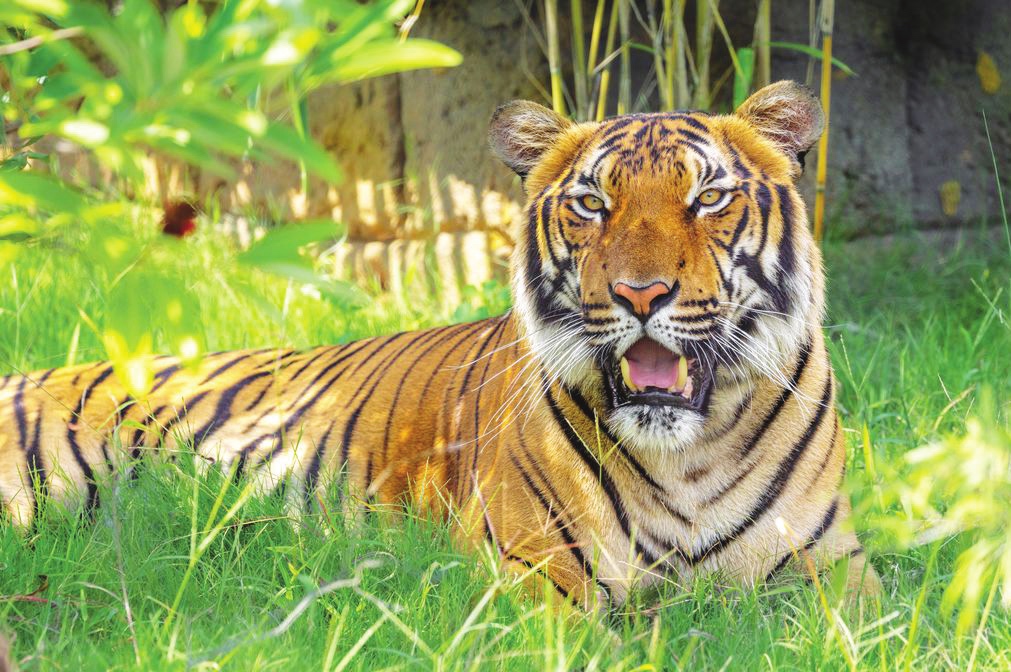
Machli, a male Malaysian tiger, figures to be a top attraction once the Continent of Asia opens at the North Carolina Zoo on March 1, 2027. (Photo: NC Zoo)
An early peek at NC Zoo’s new Asia exhibit
ASHEBORO — Machli, a male Malayan tiger, paced back and forth under the watchful eyes of a tour group at the NC Zoo’s Asia Continent. It was unclear if Machli was as intrigued by the humans as they were of him.
Members of the Randolph County Tourism Development Authority staff and board of directors were given the Nov. 10 preview by zoo employees. Asia is scheduled to open to the public on March 1.
Visitors will reach Asia by crossing a bridge, sort of being transported to a different culture. The architecture and other details were intentional to give the impression of walking onto the Earth’s largest continent.
The first exhibit featured a shy Chinese alligator, much smaller than those found in the US. But it rested where observers could see it close up.
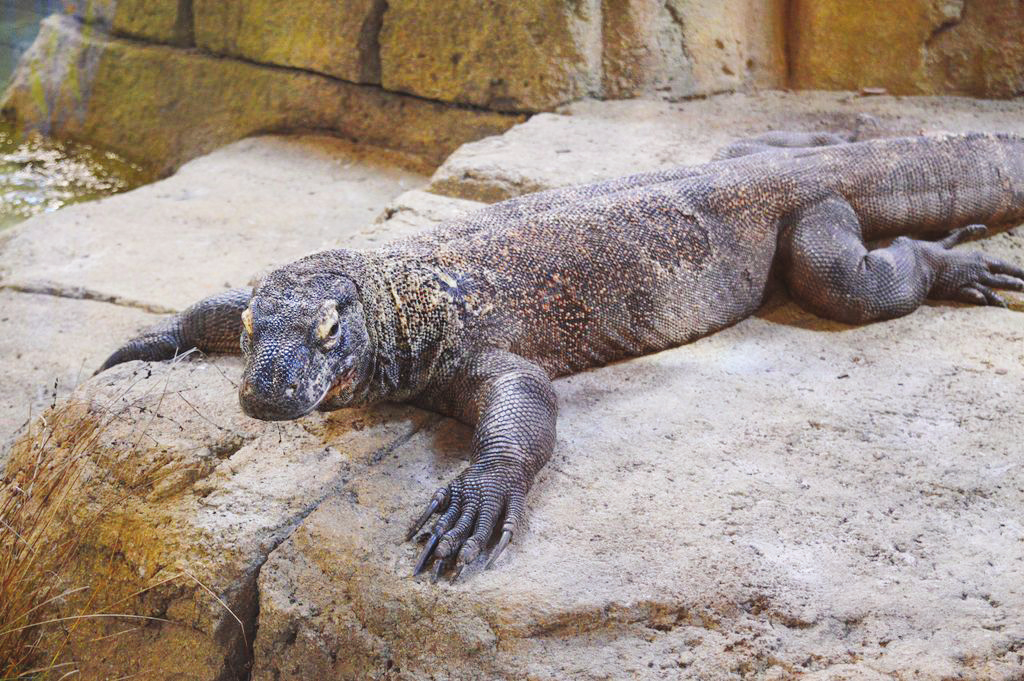
Next was the Komodo dragon, the world’s heaviest lizard. It was not on display since the temperature was a bit too chilly. But the group later was able to view the dragon inside the Explore Asia Building.
The tiger exhibit is far-ranging, allowing the big cats to wander over a rather large expanse. The male and female tigers are kept apart but at some point will be allowed to meet briefly. Their exhibit includes a high bridge above the visitors as well as outside the large cafe.
The TDA group first saw Machli from a distance, but as they followed the path beside his exhibit, the tiger gave them what they wanted, pacing a few feet from them with just a strong fence between.
The tiger has an “S” on his right side, embedded within his stripes.
It was said that Malayan tigers love water and like to swim. The zoo has provided the two here with pools for just that.
Malayan tigers are endangered, with an estimated 150 remaining in the wild. A tiger can go days without eating, so the zoo provides them with a mixture of meats on certain days of the week.
The Visayan warty pigs should be a popular exhibit once Asia is open. Recently, two females gave birth to litters of two and four babies.
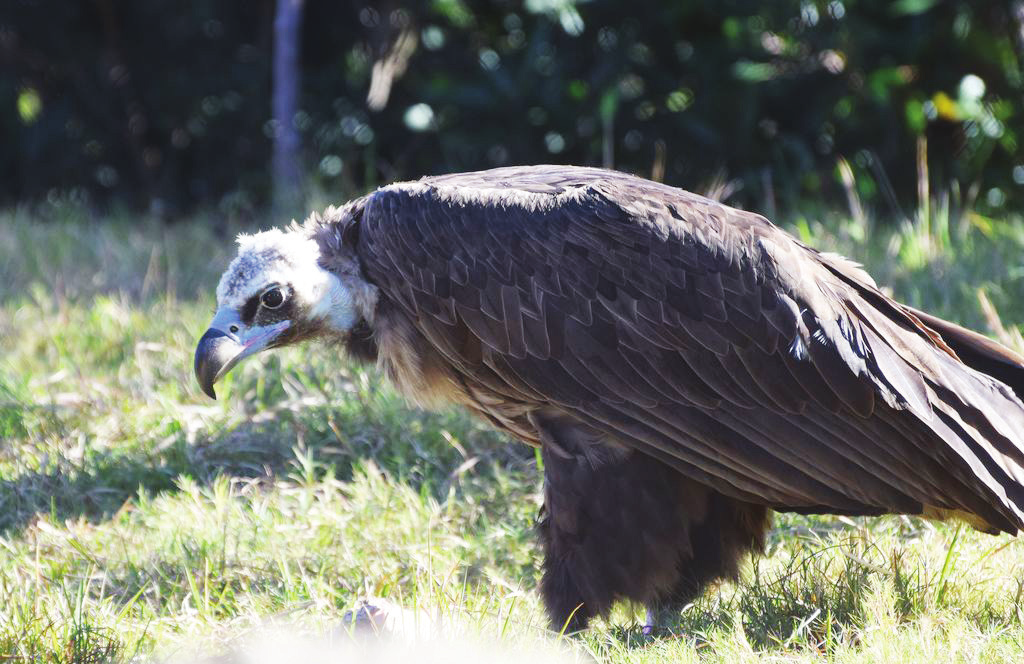
The huge vultures, Eleanor and Kirby, are in an exhibit that allows them to fly short distances. Coming from the Toledo Zoo, the pair picked each other as mates. The vulture is also a threatened species.
Sharing the habitat with the vultures are emperor geese. Beyond them is the stork/crane habitat, shared with ravens. Visitors will learn to hang out at this exhibit to wait for the avians to appear.
The next habitat had by far the most action. Three gibbons, a type of monkey, were playing high above, swinging along ropes using their long arms and tails. It was evident that they enjoyed playing, not to mention entertaining the humans on the ground.
Down below at the edge of a pool of water were small-claw otters. The zoo has added a transparent slide through the water for the human species to enjoy.
From there the group entered the Explore Asia Building and immediately discovered a king cobra. The long snake was behind a rock but soon slithered toward the glass for a closer look at humans.
Also on exhibit were a tokay gecko and an Asian spiny toad. There was a rat snake habitat but the tenant was nowhere to be seen.
Next was the Chinese crocodile lizard/four-eyed turtle habitat. It also includes a variety of fish species.
There were habitats for vipers, Fiji Island banded iguanas, an indoor avian space, the Chinese giant salamander and the indoor portion of the Komodo dragon habitat, where the visitors could see the giant lizard.
Diane Villa, deputy director of the zoo, said that work on Asia continues “every day to get ready. We’re still hiring,” in particular environmental services and horticulturalists.
She took the group into the 300-seat cafe, which includes a separate events center and abundant windows with views of the Uwharries. Villa said the cafe will feature “Asian-inspired food but there’s also a pizza oven.”
Sherry Burks, a visitor services and information counselor at the NC Visitor Centers on I-73/74, was asked what she thought of the tour.
“I love everything about it,” she said. “Asia is spot on. I loved that the animals were out and active. It’s a wonderful addition to the zoo.”
Asked about her favorite animal, Burks said she especially liked the otters but the tiger and gibbons came close behind.